Ep. 034 The Forgetting Curve and Knitting

Welcome to Episode 34:  The Forgetting Curve and Knitting

Brainy thing:   21:40  Redwood Curtain 31:40

What We’re Learning from our Knitting:

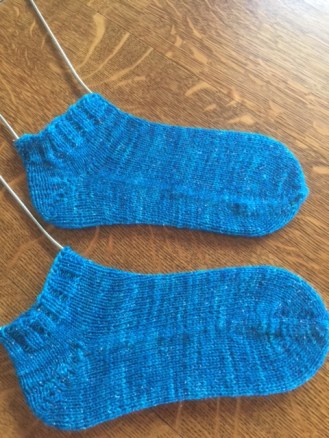
Margaret doesn’t realize that the Forgetting Curve threw her a curve on the Fish Lip Kiss heel until she messed up.    She made a sparkly pair of blue socks out of Knit Circus Pixie Dust fingering  weight  merino/silk/nylon/polyamide/metallic yarn.   Persie's sparkle socks
Years ago she got a similar yarn as a kit from Knit Circus for Jaala Spiro’s half circle Corrina Shawl in the Casseopeia  color way.   When she ran out (she didn’t do a gauge swatch—for shame)  Jaala Spiro dyed a skein that would especially go with the older color way.  So she had quite a bit of the yarn leftover.
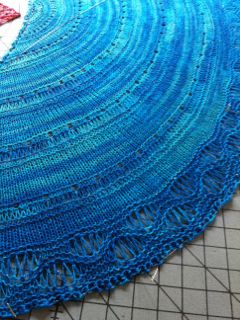
corrina shawl
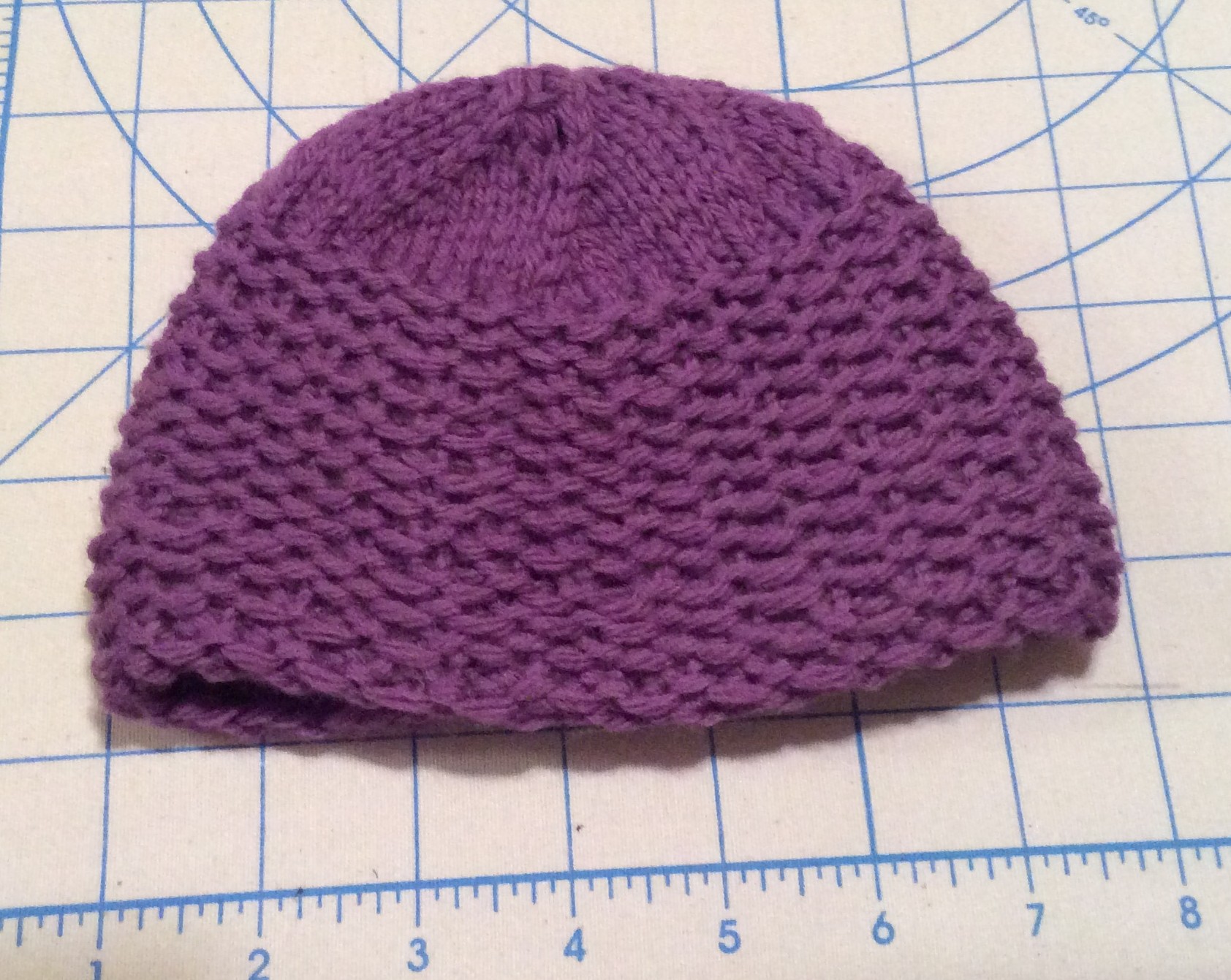
Along with the Vanessa Ives Mystery Shawl, Catherine continues making socks for the Afghans for Afghans organization.  This time she use Kate Atherly’s Baby Socks pattern .   She also made Lee Burstein’s Organic Cotton Heirloom Baby Hat , but out of wool instead of cotton.
Catherine continues to make progress on her meditative Vanessa Ives Shawl.

Catherine continues to make progress on her meditative Vanessa Ives Shawl.
BABY SOCKS Kate Atherley
Brainy Thing:   The Forgetting Curve
Baffled by her botched attempt at the Fish Kiss Lips Heel (she did it once and she thought she remembered it) Margaret delves into the world of forgetting and meets our old friend Hermann Ebbinghaus who first described the Forgetting Curve.  Elizabeth Loftus, a cognitive psychologist, describes different types of forgetting.
Behind the Redwood Curtain:

16474_150px
Catherine tells us about an icon of the Humboldt Bay, the statue of “The Fisherman” by Dick Crane.  (http://www.loc.gov/pictures/item/2011634667/)  He and his wife Salli own Dancing Crane Studios.
Knitting Tip:
Listener Kate Pricey offers a tip about making knitting into the Backward Loop Cast-on easier — go through the back loop.
Knitting Tip Contest:
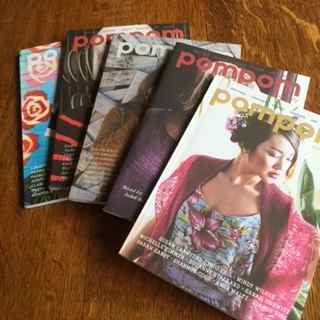
Five back issues of Pom Pom magazine is the prize for a randomly selected winner from our Knitting Tip thread of on our group on Ravelry.pom pom smallest
Podcast Business:
We continue to have an on-going incentive prize for each 100 people who join our Teaching Your Brain to Knit podcast group on Ravelry.  (http://www.ravelry.com/groups/teaching-your-brain-to-knit)
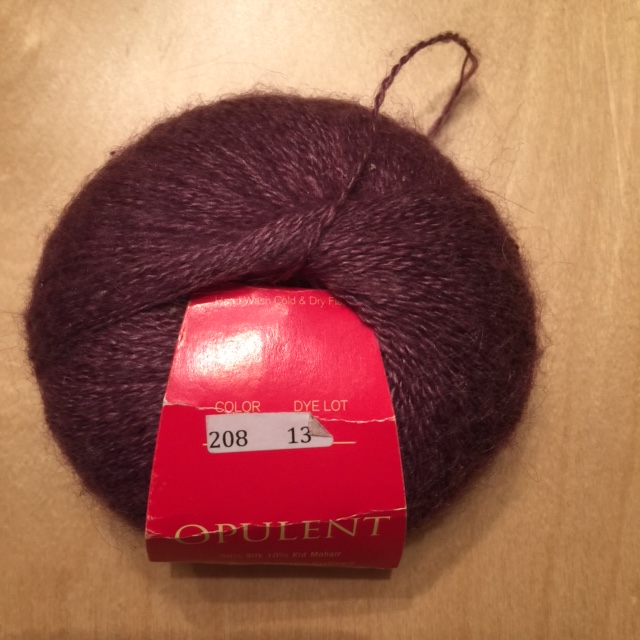
opulent

Ep. 033 How Knitting Can Help Fight Addiction

Welcome to Ep. 033  Stitchlinks uses knitting to help fight addiction

Brainy Thing: 20:47      Behind the Redwood Curtain:  33:15

What We’re Learning from Our Knitting

Catherine updates us on her process knitting with Vanessa Ives Shawl by Bunny Muff.shiny vanessa
She is knitting baby socks by  Bianca Boonstra  for her favorite charity  Afghan for Afghans  .  They are out of her 2nd pair of Catnip Yarn that she died with Dharma dyes
2 at a time socks baby
bianca baby socks
Margaret has made more Bevy of Bangles by Mags Kandis     The pattern is free on the interweave  press site and is featured in the book Gifted by Mags Kandis.more bangles
She reacquainted her self with Judy’s magic cast on.  As a reminder, she used the illustrations of Judy Becker’s book:    Beyond Toes: Knitting Adventures with Judy’s Magic Cast-on.

Brainy Thing:

Catherine tells us more about Stitchlinks and their work on Knitting and Addiction.  Stitchlinks was started by Betson Corkhill.   Catherine also mentions a HBO series on addiction that she found very informative.

Behind the Redwood Curtain

Margaret talks about the Standish Hickey State Recreational Area and The Peg House  complex across the street from the entrance.
Standish Hickey

Entrance to Standish Hickey State Recreation Area (in the rain). Mostly second growth redwoods but some old growth.

peg house

Peg House picnic

A rainy winter day at the Peg House across from Standish Hickey State Recreation Are.

Knitting Tips:

Catherine tells Cat Bordhi’s tip on dealing with ladders in your knitting.

Podcast Business:

There’s a new contest — send in your knitting (or crochet) tips for an opportunity to win five back issues of PomPom magazine.  Also, there is the continuing incentive to join the Ravelry Teaching your Brain to Knit group.

Ep. 032 How Lily Chin is a Great Teacher

Welcome to Episode 32:   Lily Chin:  Teacher Extraordinaire

Brainy Thing:   13:45                             Behind the Redwood Curtain 23:10

What we’re learning from our Knitting

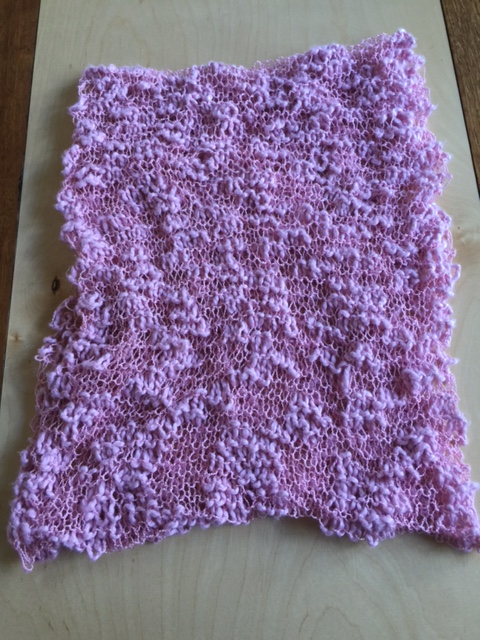
Margaret is knitting a cowl out of Katia Temis or Colibri —she’s lost the ball band   There’s no pattern:  She just casts on 25 or more stitches and knits in garter stitch on very large needles (size 13) until she runs out of yarn.   This is her exercise bike knitting.  She also reports on how much she likes the Designing Vashti Yarn:  Lotus Z-twisted sport weight fashion yarns:  52 cotton, 48 rayon.  She knit up Kira K’s Belle Epoque shawl (http://www.ravelry.com/patterns/library/belle-epoque-shawl) with it and has had a chance to try it out and she loves the mix of cotton and rayon.  katia cowl
After many years, Catherine finished her first pair of socks.  She’s knit many since this first pair that she never quite finished.  She used a generic cuff down sock recipe that she got from the sock knitting class she took and used a Brown Sheep Fleece cotton and wool yarn.first socks first socks close

Brainy Thing:  Lily Chin:  Teacher Extraordinaire

Margaret analyzes why she thinks Lily Chin is an excellent teacher. Margaret recently finished viewing the Crocheter’s Toolbox video and also took a class in person with Lily on knitted closures. crocheterstoolbox_180

Behind the Redwood Curtain:  ACV

The Arcata/Eureka or the Eureka/Arcata airport (which actually is in McKinleyville) according to some people is the foggiest airport in the U.S.   Whether that is true or not, it has a fascinating history.
KACV

Knitting Tip:  SSK

Catherine tells us about a neater, more “perfect” left leaning decrease.


Ep. 031 Knitting and Life-long Learning and your Brain: The Nun Project

Welcome to Episode 31:  Knitting, Life-long Learning, Your Brain:  Data from the Nun Project

Brainy Thing starts at:                              Behind the Redwood Curtain:

What we’re learning from our Knitting

Catherine gives an update on the Vanessa Ives Mystery Shawl  By Bunny Muff  and how even Michael’s  Big Box store failed in providing Japanese beads that would work for it.
shiny vanessa_
While she’s waiting for her delivery of beads, she’s working on Baby Socks by Bianca Boonstra for the Afghan for Afghans project.  The socks are made from Treadsoft Yarns that Catherine dyed with Dharma dyed goods._

She’s also been working up some scrubbies for the Dishcloth group she belongs to.  The pattern is baby socks orange_Little Scrubbie by Arctic Trails Abstract   and made out of leftover Knit Picks Lindy Chain and AllHemp 6 lux.

Margaret tells the “amazing” story of finding a hand dyed indigo boucle cotton at Amazing Yarns in Emerald Hills, CA.  She knit the Miami Vice pattern  by 3 bags fulled or Hillary Designs and learned of ways to fix the dye from John Marshall of John Marshall Works in Fabric who was at the Natural Fibre Festival in Arcata in September.
miami vice full miami vice line_

Brainy Thing

Another reason we crafters should continue to learn?  Catherine talks about the Nun Study, a longitudinal study of Sisters of Notre Dame which indicates that lifelong learners have a lower rate of symptoms of dementia even if there are pathological signs of it in the brain after death.  Also, those with stronger language skills fared better in terms of preventing dementia.

Behind the Redwood Curtain

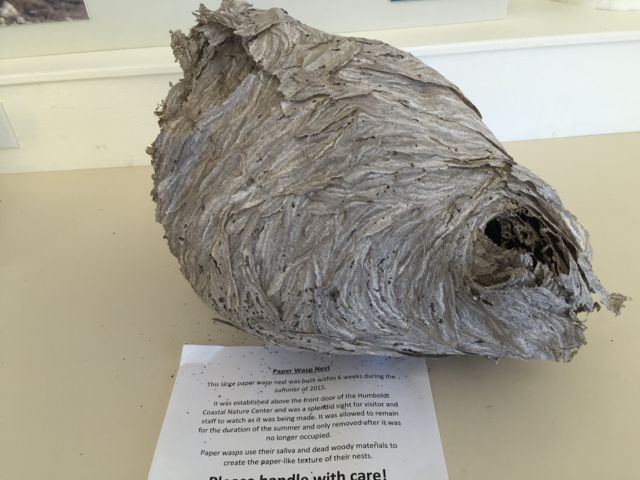
Margaret shares information about the mission of the Friends of the Dunes’ Humboldt Coastal Nature Center.
dunes display

Hands-on display at Humboldt Coastal Nature Center

display dunes

More hands-on opportunities at the Humboldt Coastal Nature Center

dunes trail

Path leading to the trails at the Humboldt Coastal Nature Center

dunes house

Stamps House at the Humboldt Coastal Nature Center.

exterior dunes

Walk outside of Stamps House at the Humboldt Coastal Nature Center.

_

Knitting Tips   (technical problems prevented the recording of this.)

Learn more about indigo from the “word of the Week” on Indigo expert John Marshall.  http://johnmarshall.to/blog/category/japanese_word_of_the_week/

Podcast Business

The incentive to sign up for the Teaching Your Brain to Knit Ravelry Group_ continues.
opulent_

Ep. 030 What is the Distributive Spacing Effect and How does it help us to learn fiber arts?

Brainy Thing:   15:47           Behind the Redwood Curtain:  25:35

Welcome to Episode:  How the Distributive Practice Effect or Spacing Effect can help you learn skills in the fiber Arts.

What we’re learning from our Knitting
Catherine got a lot of satisfaction by completing Laura Nelkin’s Butin Collar.

Catherine's butin collar

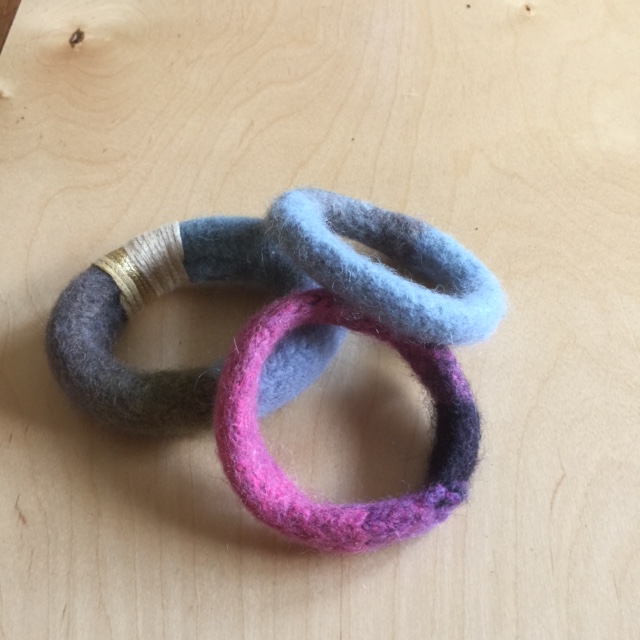
Margaret created felted bangles from Mags Kandis’ Bevy of Bangles pattern, from the book Gifted, Lovely little things to knit and crochet by Mags Kandis or get them for free from the Interweave website.

Brainy Thing:  The Distributive Practice Effect
Catherine talks about the Distributive Practice Effect, first described by Hermann Ebbinghaus.   In psychology,it is talked about as the Spacing Effect.   Essentially, practicing something a little bit every day is more effective in learning than practicing for a long time for one day a week.

Behind the Redwood Curtain:   Ferndale, CA, the Victorian Village

Catherine introduces us to Ferndale, CA which has a large number of well preserved Victorian buildings.   It is very well decorated around Christmas time.

07-ferndale-main-street

Knitting Tip:
Margaret shares a tip from No Sheep for You by Amy Singer:   When knitting socks in Cotton or a yarn with little memory, use ribbing to help the sock

Podcast Business

The incentive prize for signing up for the Teaching Your Brain to Knit Ravelry Group:

opulent