Episode 9: The Therapeutic Benefits of Knitting

Welcome to Episode 9:  What are the therapeutic benefits of knitting?

Brainy Stuff begins at: 22:30

Behind the Redwood Curtain begins at: 39:00

What we’re learning from our knitting:

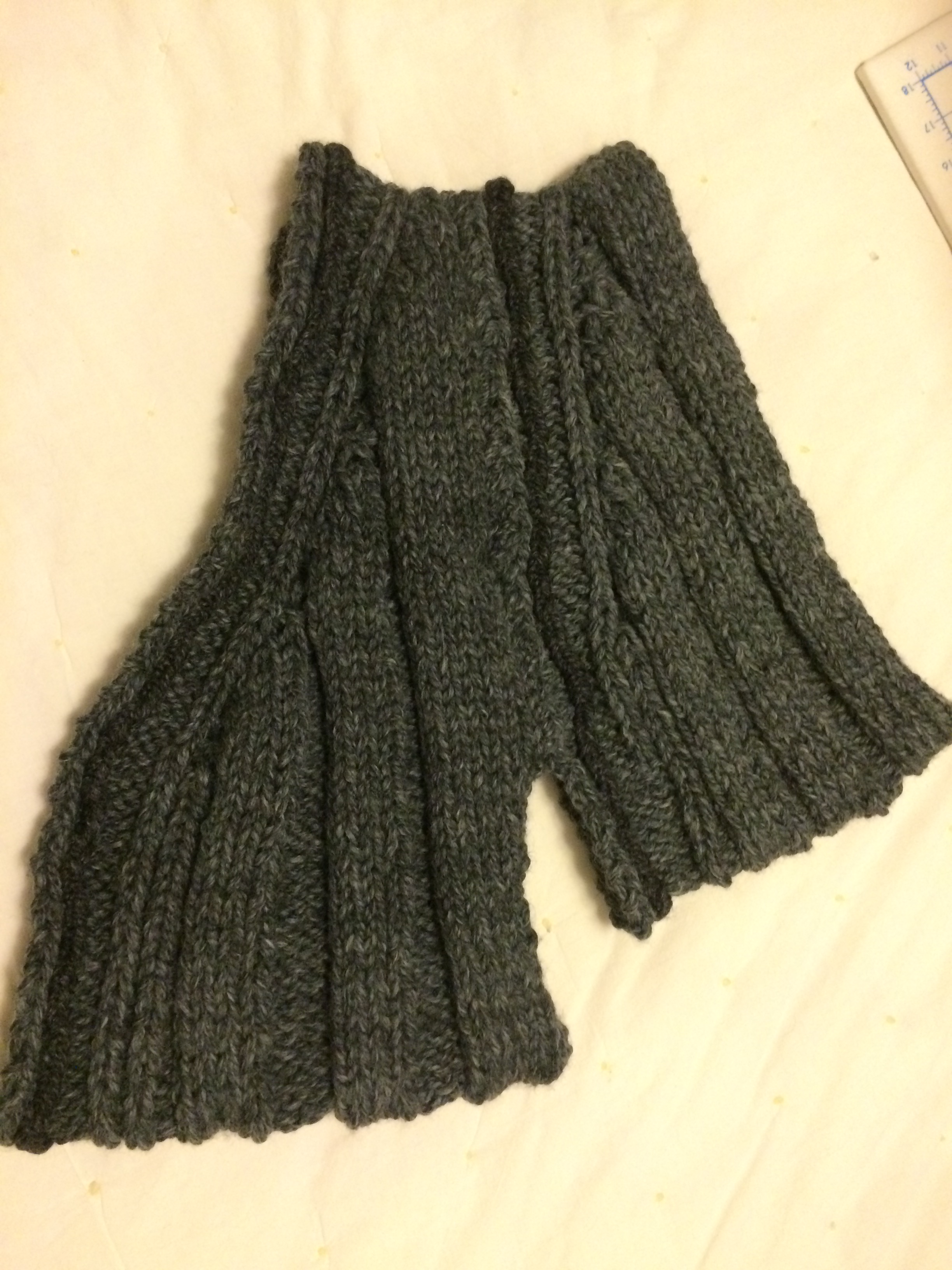
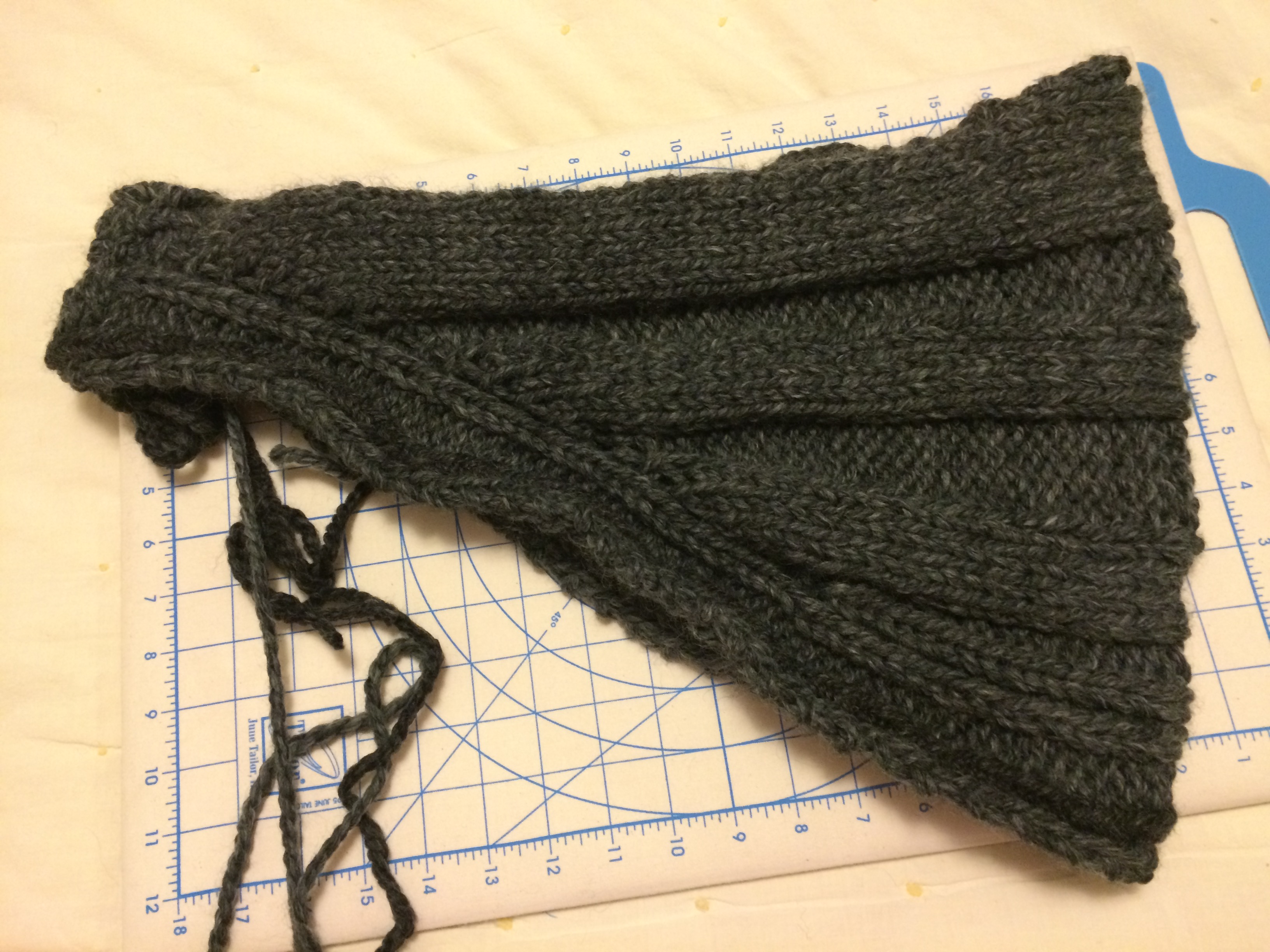
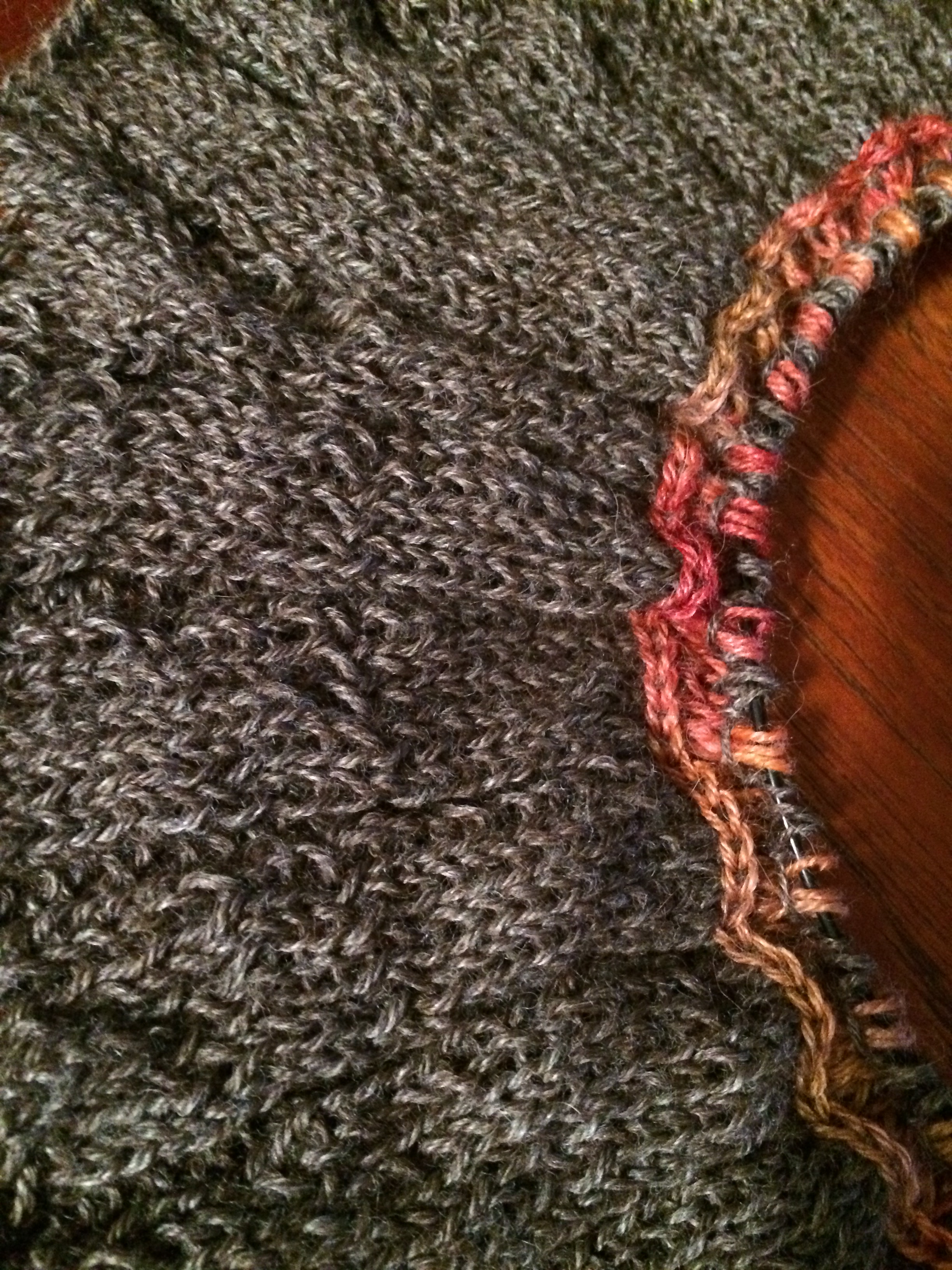
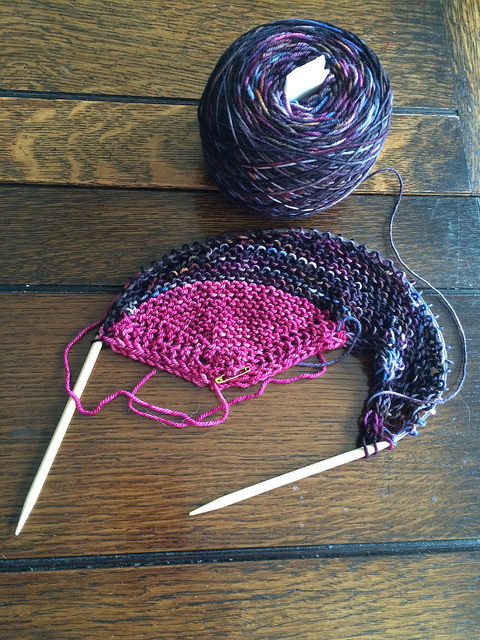
Catherine is attracted to Mystery Knitalongs.    She was first snagged by Laura Aylor’s Mystery Shawl and then Josh Ryks’s Scarfy Shenanigans caught her eye and which has proven to have interesting techniques.(His studio is listed as geoknittrix on Ravelry)
scarfy 4scarfy 3

scarfy 2

The two yarns used are Sanguine Gryphon Bugga (an old, beloved skein) in Cotton Stainer colorway.   (The Studio is no longer in business.)   Plus Becoming Art Dye Studio in the Twilight colorway.

Margaret is learning from three pairs of children’s socks.   She knit a generic toe up sock for her granddaughter (after getting an outline and making a template of her feet.)  The yarn is Knitterly Things Vesper Rainbow Love.

rainbows on feet 2


The first pair of zebra socks was Cat Bordhi’s pattern Cat’s Zebra Socks from her book Sweet Tomato Heel.   The yarn is one black and one white skein of Jang Yawool superwash    The sad story here is that the socks got accidentally thrown in the pile of Christmas wrapping debris and then thrown out.


zebs_medium

The second pair used another sweet tomato heel and Knitter’s Brewing Company Sockaholic yarn made especially for “zebra-ing.”  Wendy’s    pattern offers a technique to really gets distinctive zebra patterning and you can buy the kits — one for children and one for adults.


zebs 2

Brainy Thing:   Therapeutic Benefits of Knitting

Catherine talks about how knitting changes brain chemistry to offer actual therapeutic benefits to the knitter.  You might be surprised how many actions of knitting help.   She references Betsan Corkhill and her (and others’) research documented on Stitchlinks.  For the chart Catherine references, check out this page which links to a pdf titled Knitting Engagement which lists benefits including patterns of movement, hand position, enriched environment plus social engagement.

Behind the Redwood Curtain:   Goat Cheese

There’s something special about the climate of the Pacific Northwest (including the Redwood Curtain)  that allows for the making of fantastic goat cheese.   Our most famous artisan goat cheese companies is Cyprus Grove. 
images


774955_10151338624706911_24954315_o


Knitting Tip:  Stitch markers

Margaret’s knitting tip is to help prevent yarn-overs from slipping before or after stitch markers, find stitch markers that are close to the size of the needles.  One of many Etsy sellers that has very small stitch markers is The Knitter’s Helper Another tip, especially for wrap and turns and the sweet tomato heel, is to mark the turning stitch by using very short bobby pins.

Episode 8: Happy Brain Chemicals

WELCOME TO EPISODE 8:   Does Knitting Make Your Brain Chemistry Happy?

Brainy Stuff:  28:25

Behind the Redwood Curtain: 44:50

What We’re Learning from Our Knitting:

Catherine is finished with Dahlia in Bloom’s PANEM Katniss Cowl Wrap. 

panem wrapped cropped panem 2 cropped

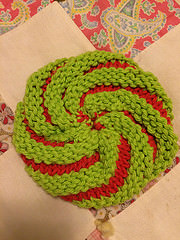
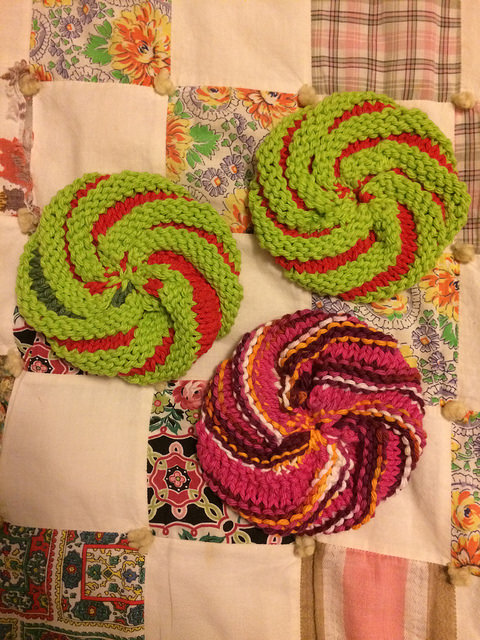
She also completed Maryann Walsh‘s Two Toned Tawashi.

single tawashi tawashi

Now she’s in that challenging (for her, delicious for Margaret) place of choosing her next project.

Margaret mentions how after she washes her handmade socks, she dries them on a Towel Warmer because the Arcata climate is so humid otherwise they don’t dry before they mildew.   Towels in her house don’t dry after they are used, so she uses the towel warmer for them — and why not for socks.

sock dryer

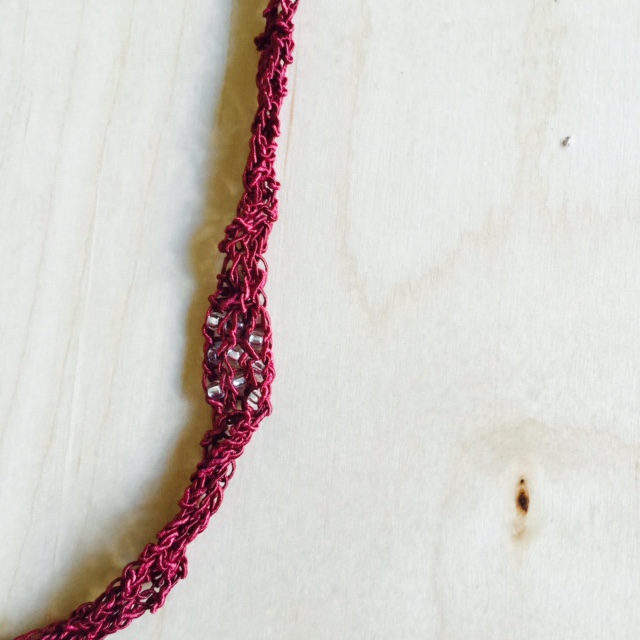
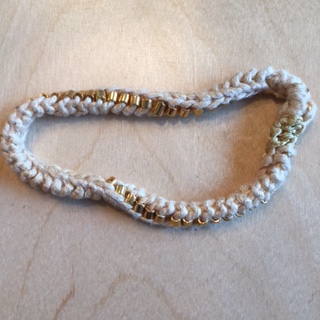
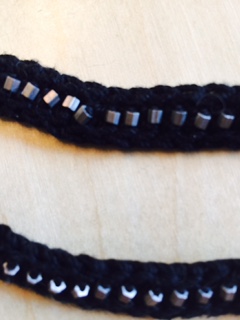
Margaret continued her exploration of long stranded bead necklaces/wrap bracelets.  She’s getting the hang of the Wrap Around Crochet Bracelet by Yuli Nilssen:  she’s using heavier weight yarn and a smaller crochet hook than last time.   Probably a little tighter stitch after the beads would help even more.  The last photo is a comparison of the first attempt and the second.  (It’s all about learning, right?)

industrial strand industrial wrapindustrial compare

She also started the Kaitlyn Necklace Rose Kit by Javori Designs.  She was having some problems figuring out some the pattern details but thinks she’ll enjoy the finished project.

Kaitlyn piece Kaitlyn

Catherine says that Cat Bordhi would be proud of her for cutting her knitting.

She discovered she prefers stringing beads with a dental floss threader dental-floss-threader-1rather than a beading needle.

collapsible-big-eye-beading-needles-x-4-1


Finally, she talks about the Gatsby Necklace by designer Shaina Bilow and taught in a class by Laura Lamers at NorthCoast Knittery.  

Gatsby

Brainy Part:  Does knitting make your brain chemistry happy?

Catherine offers a basic foundation on the brain chemical serotonin.  She discusses Dr. Barry Jacobs’ work.   She also mention EMDR (Eye Movement Desensitization and Reprocessing) and how eye movement plays a role in Knitting’s calming effect.   She then talks about Betsman Corkhill and her organization Stichlinks whose mission is to use knitting and other activities to improve health.

Behind the Redwood Curtain: The Mad River

The Mad River in California (there are other Mad Rivers elsewhere) runs 113 miles from the Trinity mountains to the Pacific between McKinleyville and Arcata.

Mad_River_CA

Knitting Tip:   Flipping your Blocking Board

If finding enough space is an issue when you block your knits,layout your knitted item on your blocking board (or a piece of plywood or sturdy cardboard, pin it securely, then flip the board upright and lean against the wall.


Episode 7: Skill or Concentration?

WELCOME TO EPISODE 7:  SKILL OR CONCENTRATION?


What We’re Learning from our Knitting:

Margaret is knitting and crocheting long strands of beads to wear as necklaces or as wrapped bracelets.

On top:   Laura Nelkin‘s Ribband (knitted)

In the middle: a failed attempt at a crocheted strand:  no fault of the pattern– the yarn was too fine for the size of beads. Check out Wrap Around Crochet bracelets for lots of successful projects and Yuli Nilssen for her other designs.

On the bottom:  improvised icord with beads.

strands icord strand fail


Catherine is learning from the PANEM Katniss cowl wrap by Dahlia in Bloom whose Rav name is DevilintheO.

panem yarn panem progress 4 panem progress 3Yarn is Lion Brand Wool Ease Thick and Quick.

Brainy Stuff:  What determines your success or ease with a project — the level of difficulty or the level or concentration?

Many knitting and crochet patterns are labeled by skill level:  beginner, intermediate or advanced or easy and challenging.  But what do these terms mean?  If you are an expert lace knitter, does that mean you’ll find cables easy?  Catherine and Margaret discuss what the differences are and how they may or may not impact your experience creating a particular project.

Redwood Curtain:   Table Bluff, CA.

From the South Spit looking up to Table Bluff

dunes up table bluff looking up table bluff

From Table Bluff looking down: Humboldt Bay to the Right (East), Pacific Ocean to the Left (West)

table bluff 2

Viewing to the East, Humboldt Bay.

table bluff 1541

Beauty in the sand:

dunes on spit

Knitting Tip:

Use a Kitchen scale to determine amount of yarn you have left.


Number of yards in total skein            X (number of yards left) —————————    =    ——————–

Number of grams in total skein            Number of grams left in skein

X equals number of yards in total skein (times) Number of grams left in skein (divided by) number of grams in total skein.


Episode 6 Staying Awake

Welcome to Episode 6: Staying Awake

Brainy Stuff Starts at 15:00

What we’re learning from our knitting:

Catherine:

Fab braid

Catherine learns about the need for sharp tipped needles for the braid (the horizontal line of stitches above the brown pleats)  on Laura Aylor’s Faberge’ using Classic Elite’s Mountain Top Vail.

Margaret:

Margaret learned  that a SKP (slip the first stitch, knit the next stitch, pass the first stitch over the just knit stitch) is difficult for her to unknit.  She didn’t do the pattern as written (only did the first row of the two row lace pattern) Mel Ski’s hat Drizzle  but plans to do it as written the  next time.

hat back hat front hat side

Drizzle by Mel Ski.  Her webpage is here.

Elsebeth Lavold designs Silky Wool  03 Grey color


Brainy Stuff:  Staying Awake

perri_home2

Dr. Perri Klass, M.D.:  her page on knitting with links to articles.  This pediatrician writes about her 2008 article in Knitter’s Magazine  “Knitting is my internal symbol. It represents me.”  One of her books is Two Sweaters for my Father.  Catherine describes Klass’ writing on how knitting helps her stay focused.

Heather Ordover who has the Craftlit Podcast is writing a book on Cognitive Anchoring which explores the same phenomenon.

Behind the Redwood Curtain:  29:20

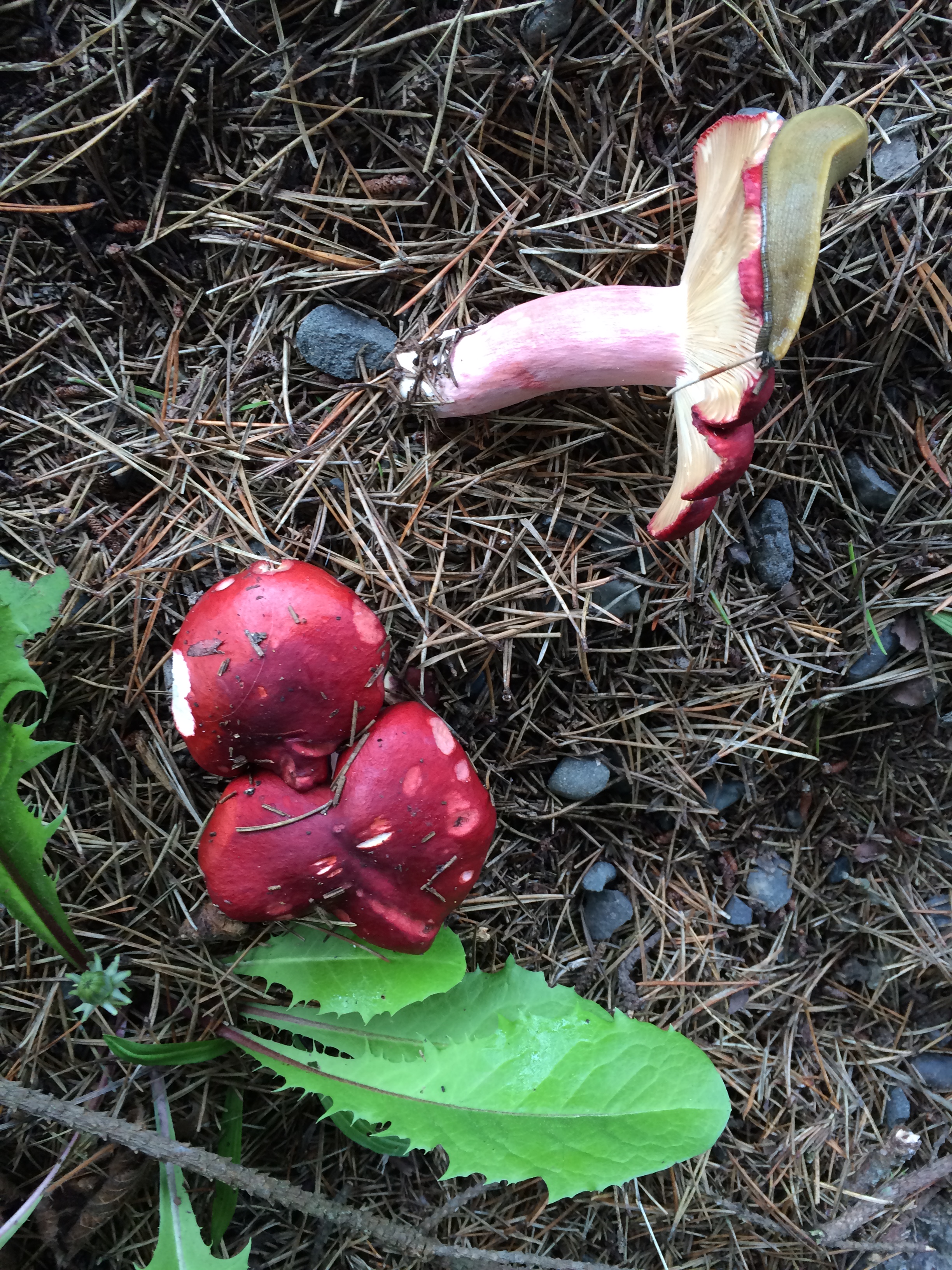
Blooming mushrooms on the bluff over the Mad River.

mush 2 mush 1

mush 3mush 7 IMG_0587 mush 5

Knitting Tip:

If you’re out shopping without a specific pattern and want to know the approximate amount of yarn you need for a project, these should help.

The Knitter’s Handy Book of Patterns by Ann Budd

The Knitter’s Handy Guide to Yarn Requirements by Ann Budd

Knit Handy app

Stashbot:  A comprehensive guide to building a useful stash by Hannah Fettig

Stashbot app by Hannah Fettig


Episode 5: Layers of Visual Learning

Welcome to Episode 5

What We’re Learning from Our Knitting:

Margaret:

full slice wedge

Citron by Hilary Smith Callis the enormously popular (12,024 posted projects on Ravelry as of December 3, 2014)  half circle shawlette, free on Knitty.  She learned you probably won’t notice that the increases don’t line up (not the pattern’s fault — she stopped counting.)  Can you see them?

She used

Noro Taiyo Sock colorway 30 and

Wild Orchids Fiber Arts Amore, colorway Lavendar

Catherine:

Catherine continues learning from

fabrege 1 Fabrege 2    Catherine ep 2 1

Faberge’ by Laura Aylor

She’s using

Classic Elite Yarns Mountain Top Vail yarn in two colors.

Brainy Stuff:  Layers of Visual Learning

According to some theories, people who identify as visual learners, usually find it easier to take in information visually, but they use auditory or kinesthetic means to process and integrate that information.  Therefore, probably the best learning occurs when all three modes are used.   More about this in upcoming episodes.  This link has other links including one for a self-assessment.

Laura Nelkin’s Craftsy class:  Mastering Lace Shawls  gives step-by-step and frame-by-frame instructions for making two shawls:  Skywalker and Clarus. 

Duolingo is a free app that teaches Spanish, French, German and other languages.   It uses visual, auditory and kinesthetic approaches.

Behind the Redwood Curtain:

One of the Northwest’s most famous denizen is the legendary Bigfoot.

k0600988

Smalfutfrom Wikipedia.  http://www.jcu.edu.au/wiledpack/modules/fsl/JCU_090460.html  Frame 352 from 1967 Patterson–Gimlin film, alleged by Roger Patterson and Robert Gimlin to show a Bigfoot, was a man in a gorilla suit.[1

Knitting Tip:

Needles of the same size but made from different materials will give you different gauge.